— Residential Service · NADCA-Certified
Cleaner air in your
home, documented
start to finish.
Most homeowners don’t think about duct cleaning until something goes wrong — a musty smell, a worsening allergy, a dryer that won’t dry, dust that won’t quit. Your air recirculates through that same ductwork all day long, so whatever’s in there, you’re breathing.
Years between cleanings — the NADCA-recommended interval for most homes.
Typical job length for a standard residential ductwork system.
Documented steps in the ADC residential cleaning process.
Satisfaction guarantee — if anything isn’t right, we make it right.
should know
When residential duct cleaning is worth doing.
You don’t need duct cleaning every year. Most homes need a full cleaning every three to five years — but some situations move you up the schedule. Recent renovation work, a new pet, a moisture issue, allergy symptoms that get worse indoors, or moving into a new-to-you home are all good reasons to schedule sooner.
When we walk your home, we’ll tell you the truth. If your system is in good shape and doesn’t need cleaning yet, we’ll say so. We’d rather earn the job in two years than oversell it today.
Signs your ducts probably need cleaning
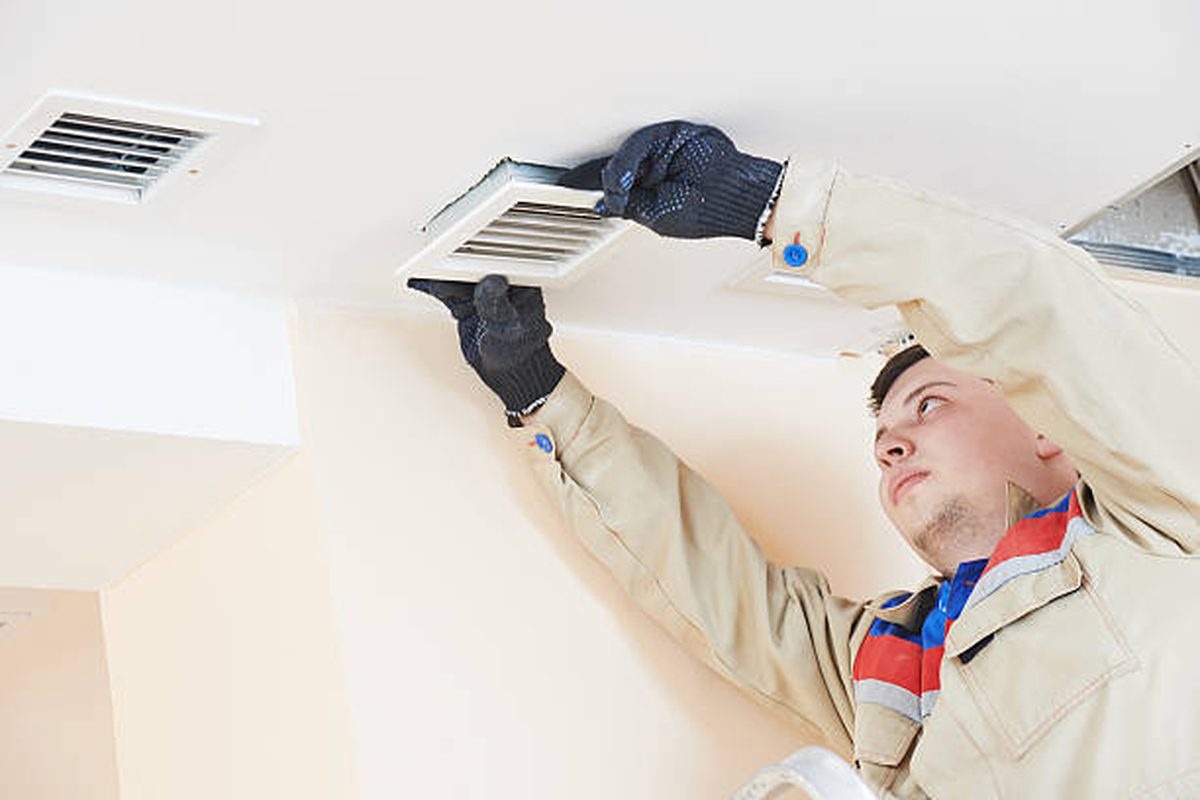
- You can see dust on the supply registers within a day of dusting them
- Allergy or asthma symptoms that get worse when the HVAC runs
- A musty or stale smell when the system kicks on
- Recent renovation, especially involving demolition or drywall work
- Evidence of pest activity in the attic or basement near the ductwork
- It’s been more than five years since the last documented cleaning
Signs we'll find — and document for you
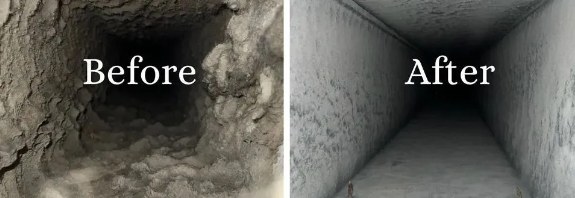
Most of what’s wrong with a duct system isn’t visible from the register. We send a camera into the supply trunk and the return run. Construction debris, biological growth, pest evidence, gasket failures, register damage — whatever’s in there, you’ll see photos of it before we start, and photos of what’s left after we finish.
The twelve-step ADC process.
Most companies hide what they actually do. We document every step — because when you can see what you’re paying for, the value of doing it right is obvious.
Inspection
System survey
Containment
Negative pressure
Source removal
Register cleaning
Coil inspection
Sanitization
Filter replacement
System restart
Before & after
Walk-through
— Why this isn’t a vacuum-and-go job
The equipment matters. So does the technique.
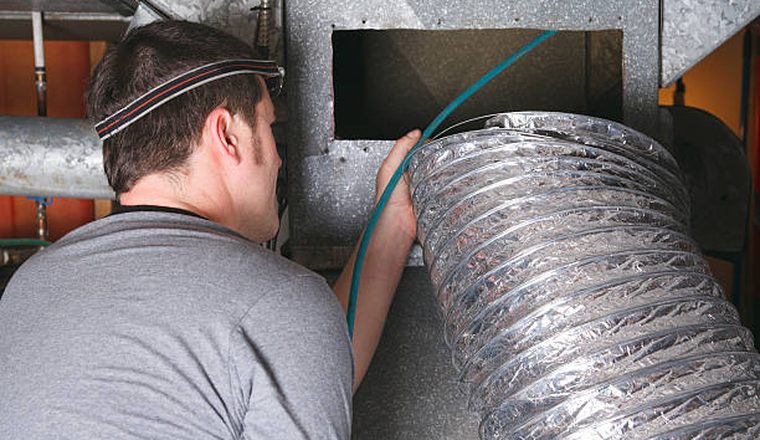
Most “duct cleaning” you’ll find online is two guys with a shop-vac — that’s redistribution, not cleaning. We use truck-mounted negative-pressure extraction, rotary agitation, and HEPA-filtered collection, so the debris ends up in our truck, not back in your house.
The proof is in the before and after.